


Happy Healthy Breathing
Training for Breathing and Emotional Balance
Breathing coaching & training
5 Steps to Breathing Emotional Freedom
Guide to breath training for heart and lungs in winter
Happy healthy breathing
Breathing coaching & training
Our first breath leads us to step into life. It is often accompanied by a first cry. The heart beats, the organs begin their work. From then on every breath counts, together with the wish that the last breath still lie far away. The better we breathe, the more energy and strength our cells have.
Charn Chano, Buddhist master of the Pong Youp breathing technique from Thailand: "People have lost sight of the power and the magic of breathing. Most people breathe so unconsciously that they don't allow themselves to benefit from the magical power of true breathing. Breathing serves to thrive, expand and transform emotions and feelings."
Consciously using your breath for wellbeing, healing and happiness will substantially change your life. It is important that you are willing to be present with your breath every day and to relearn it consciously over three to six months.
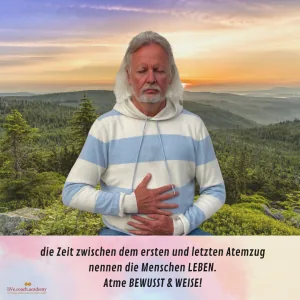
Between a person's first and last breath lies LIFE
Breathing: the benefits
Living your own breath
- You become aware of your own breath again. This lets you perceive your organs and emotions. You begin to recognise yourself with love.
- You leave the stage of existential breathing. Your breath supports you in growing, thriving and transforming.
- You learn to use your breath to expand your awareness.
Emotional freedom
- You become aware of existing emotional breathing patterns.
- You notice how emotions turn you into a shallow breather, and you learn to stay in a state of deep breathing.
- You discover how to control your breath and, through it, your emotions.
Oxygen for your cells
- Oxygen refreshes your brain and strengthens activity. Fatigue turns into endurance and vitality.
- The cells of your body receive far more oxygen. Toxins are flushed out.
- The oxygen level in your blood is substantially increased. Your wellbeing improves.
Unsure or have questions? Book your free first coaching session
Arrange your free first conversation online, HERE & NOW!
5 Steps to Breathing Emotional Freedom
We all know emotions, live with them and cannot avoid them. But how can we guide our emotions so that they support us, without letting their destructive side unfold? Napoleon Hill, who researched emotions and a positive mental attitude at the start of the last century, said:
"There is explosive power in emotions. If you regulate this power correctly, it can lift you to the heights of performance. But if you let them run free, they can shatter you to pieces. Most people act first and only think about the consequences later. They need to learn to think before they act."
The 5 steps to emotional freedom and wellbeing are not a dream. It depends on whether we are willing to face our emotions and accept them. Only that will transform the emotions and resolve conflicts or problems. We can learn to exhale our past, let go, and be fully conscious in the NOW.
The coaching takes place in 2 formats and is suited to anyone who consciously wants to steer their emotional stability and put it on a reliable new foundation.
Emotions. Part of human life. We need them in order to exist
Breathing Emotional Freedom: the benefits

Focus
Nothing happens in life without action.

Breathing
Correct breathing increases vitality and inner strength.

Willpower
Training and strengthening willpower.
Unsure or have questions? Book your free first coaching session
Arrange your free first conversation online, HERE & NOW!
"How You Breathe in Winter"
A guide to breath training for heart and lungs in winter
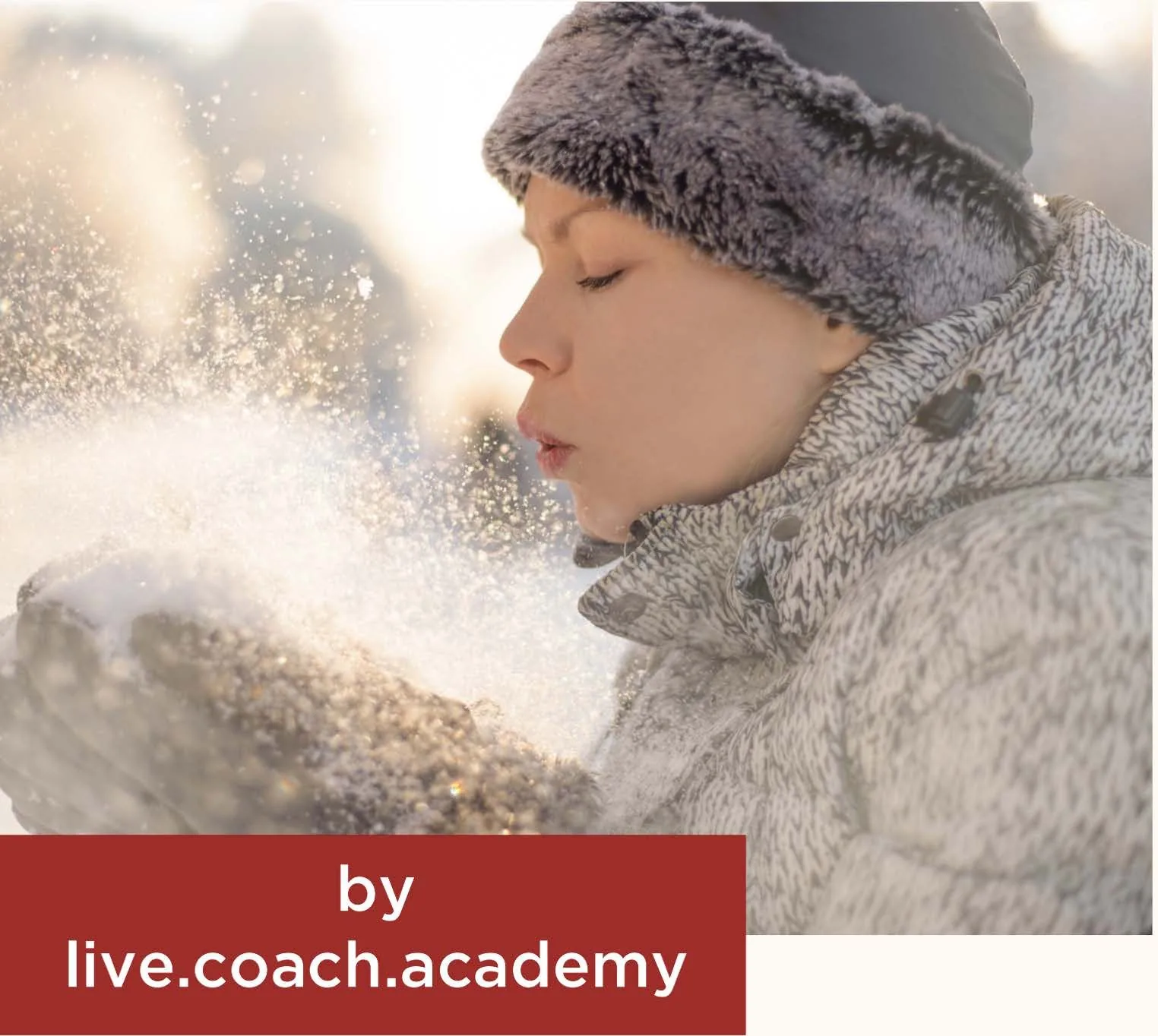
Introduction
Christmas is just around the corner … well, almost. In many parts of the world this is the time of year when it gets colder, colder, and very cold. Nature goes into hibernation. People remain active — today much more active than in the past. One thing, however, has stayed the same: people need oxygen in winter too, which they get through breathing. But now temperatures are cold, and outside it is often damp and wet. So it makes sense to take a look at how to breathe in a way that keeps the body in good spirits and strengthens the immune system.
That's why I wrote this breathing guide. It is based on my personal experience. Feel free to use these recipes and, if needed, adapt them to your own way of breathing.
Note: this guide's original downloadable PDF is in German.
Self-care means looking after your physical and mental health as best you can. Breathing is the first and the last thing anyone does in life.
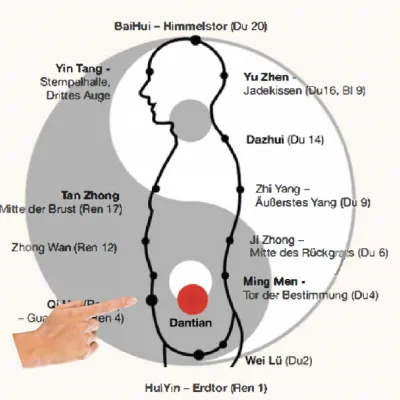
The diaphragm needs to be released and flexible
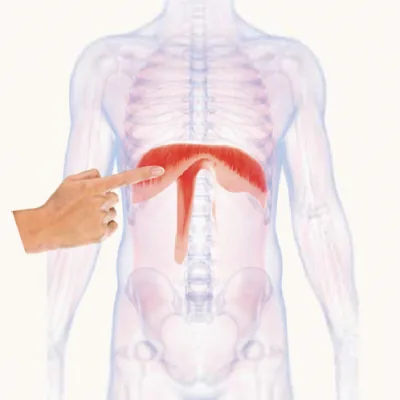
The diaphragm needs to be released and flexible
Good to know about the body in winter
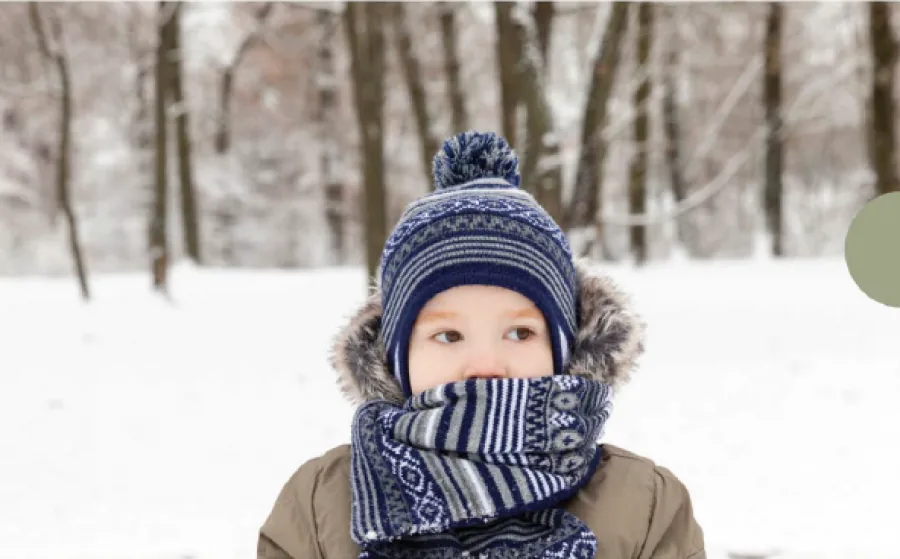
- the inhaled air warms up
- "water" collects in the lungs
This happens because the alveoli (tiny air sacs in the lungs) have extremely fine membranes. They absorb fresh oxygen from the air. When you exhale, they release the metabolic waste products — water and carbon dioxide — back into the air.
In summer, the alveoli can absorb far more oxygen. The warm temperatures cause them to expand. In winter they contract due to the cold. Because warmth is lacking in winter, oxygen reaches the airways and organs as cold air. The same happens to the veins in arms and legs.
When we move outside in the cold, the veins in arms and legs contract, because the body wants to keep blood and warmth inside to protect the vital organs. But this also means more work for the heart: it must pump blood through the whole body, and the narrowed veins mean it must overcome greater resistance. That's why blood pressure rises.
Practice
Breathing practice outdoors
One in ten people has cold-sensitive lungs. This affects asthmatics in particular, who often need to increase their medication dose in cold weather. But even healthy people have difficulty breathing in the cold, or feel pain when inhaling. Cold air is also dry.
Prepare your walk: Drink a cup of warm tea before leaving the house. A warm drink warms the chest and, with it, the incoming air. As in the warm season, it's important in cold temperatures too to keep the body hydrated with enough water.
How much the cold burdens us depends mainly on the perceived temperature. Minus three degrees Celsius with no wind and bright sunshine can be less taxing on the body than plus five degrees with a lot of wind. Still, it's important to move enough even in cold temperatures and fog. So keep up your daily walk even in the cold winter months.
Always breathe in through the nose, so the air is pre-warmed. Hold a scarf in front of your mouth while breathing. This warms and moistens the air before it reaches the bronchi. On days when it's too cold outside or the fog too thick, you can move your training indoors. The movement itself matters, to keep the Qi flowing.
Places where you can breathe healthier air: take a walk in the forest. The air in the forest is purer than in the city. The trees and plants also release moisture through their leaves and needles, so the forest air is less dry. The temperature in the forest is also higher than in open fields.
How to behave in the cold
Frosty temperatures can be seriously harmful to people with heart problems. They can even cause a dangerous strain on the heart muscle. Many people know the phenomenon: when temperatures drop, they react with mostly harmless symptoms like fatigue, circulation issues or sleep disturbances. For people with heart problems, however, sub-zero temperatures can become a serious issue.
The blood vessels in the skin and in various other parts of the body can narrow considerably. Blood pressure rises, and the heart must pump blood through the veins against greater resistance. This can place great strain on the heart muscle and the walls of the blood vessels.
Anyone already suffering from a heart condition is best advised to avoid strenuous physical exertion, such as shovelling snow, in sub-zero temperatures. If you must, start slowly, until you get used to it and stay within your breath.
It's true that regular movement is also advisable in winter. However, excessive exertion should be avoided. Make a habit of gentle, regular walks or hikes. Look at nature — it is SLOW in WINTER.
In sub-zero temperatures, it's advisable to protect yourself by holding a scarf over your mouth and nose, so the air is already pre-warmed before it reaches the airways. When it's very cold, it can also be a good idea to move your exercise indoors, to a gym or a pool. Do gentle exercises like Qi Gong.
Preparation
When it's cold and inhospitable outside, we're glad to have a warm home. But heated air deserves just as much attention as cold winter air. If the air in a room is too dry, the airways become particularly irritated. That's why, especially in winter, it's important to maintain a balanced indoor climate.
I recommend bowls of water or damp cloths on the radiator. You can also add a few drops of lemon or peppermint to the water bowls, for a cleansing effect. Renew the water daily. Houseplants also help raise humidity indoors. Be careful with automatic humidifiers: if they aren't well maintained and cleaned, bacteria and mould collect inside the devices.
Outdoor breathing exercise
The following breathing exercise is more than just a winter training. "How You Breathe in Winter" was developed to gently strengthen the organs, especially the respiratory system. It's a path of awareness and mindfulness.
The first step is becoming aware that you want to support your body. To do this you must direct your awareness there and begin training for the winter situation. The breathing technique has 2 parts: indoors and outdoors in the cold. First, outdoor breathing: before winter it's good to already practise the 3-3-6 breathing.
- inhale slowly to a count of 3 — through warm nasal passages
- hold the warm air inside for a count of 3
- exhale for a count of 6 — through the mouth
Slow breathing through the nose warms and moistens the cold air before it reaches the bronchi.
Indoor breathing exercise
I recommend practising this part of the breathing YEAR-ROUND, to turn the body into an "autopilot" for vitality. To create healthier air amid the heated, dry and often polluted indoor air:
- ensure fresh air by opening windows regularly
- place bowls of water on some radiators to humidify the air
Practise the 6-6-12 breathing at least twice a day, to expand lung capacity and rejuvenate organs, arteries and cells.
- inhale for a count of 6
- exhale for a count of 6
- hold without breath for 12 seconds
I learned this breathing technique from Grandmaster Dr. Jes T.Y. Lim. Both breathing exercises can give great support to you and your respiratory system. The precondition is a clear goal: to be healthy, vital and full of energy in autumn and winter too.
Email: kontakt@rainerwemhoener.com · Phone: +49 (0)5131 467 6697 · Mobile: +49 (0) 151 684 88 289
OUTDOOR Breathing Winter
The breathing cycle consists of 3 seconds inhale – 3 seconds hold – 6 seconds exhale. This cycle is repeated for 10 minutes. In the morning before getting up, and in the afternoon before 6pm.

3 seconds
Breathe in through the nose into your belly
Place your index finger below the navel — that's your target point for the breath.

3 seconds
Hold the warm breath
You will feel the warmth inside you while your body relaxes at the same time.

6 seconds
Exhale slowly through the mouth
Metabolic waste products — water and carbon dioxide — are released into the air.
INDOOR Breathing Winter
The breathing cycle consists of 6 seconds inhale – 6 seconds exhale – 12 seconds hold. This cycle is repeated for 10 minutes. In the morning before getting up, and in the afternoon before 6pm.
6 seconds
Breathe in through the nose into your belly
Place your index finger below the navel — that's your target point for the breath.
6 seconds
Exhale through the nose
Let the warm breath flow out slowly and with full awareness. You can let go of emotions this way too.
12 seconds
Hold your breath
When you hold your breath, the lungs crave oxygen. This increases the amount you inhale next time and strengthens cell vitality.
Daily practice strengthens your respiratory system and your organs. Breathing into the belly gives your cells far more life-giving oxygen. Qi flows more freely and the arteries are strengthened. If you do the training seated, use a chair with armrests to avoid falling.
The full guide "How You Breathe in Winter" is available here as a PDF download (German).
Download the guide